









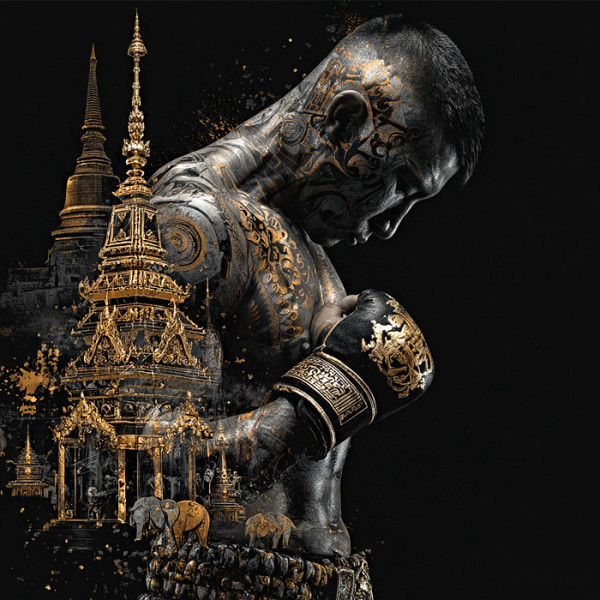
The History of Muay Thai: From Ancient Battlefields to a Global Heritage Sport
Muay Thai is more than just a combat sport; it is a cultural bedrock that has defined Thailand’s national identity for over seven centuries. This article explores the remarkable evolution of "The Art of Eight Limbs"—from its origins as a lethal battlefield technique to its status as an internationally recognized sport. By analyzing the social and political shifts across different eras, we uncover how Muay Thai transformed its rituals, institutions, and meaning within Thai society.
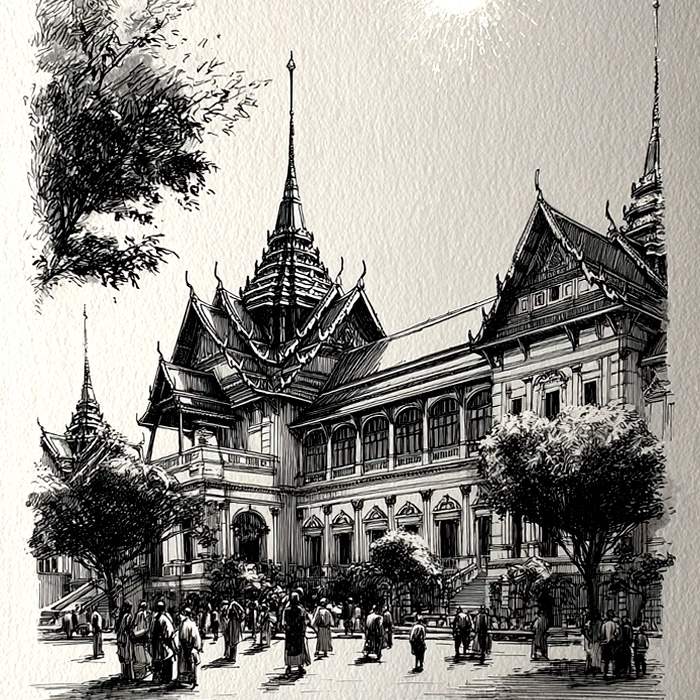
1. The Foundations: Sukhothai and Ayutthaya Eras (1238–1767)
In an era defined by constant territorial conflicts with neighboring empires, the kingdoms of Sukhothai and Ayutthaya required a highly effective form of self-defense. When a soldier was disarmed on the battlefield, his body became his weapon. This gave birth to Pahuyuth (ancient hand-to-hand combat), the precursor to modern Muay Thai.
Historical Milestones:
The Inscriptions of King Ramkhamhaeng: The earliest records mention the importance of mastering combat arts for national defense.
The Law of the Three Seals: Ancient Thai legislation that institutionalized rewards for those skilled in martial arts.
The Legend of Nai Khanom Tom: The most famous story in Muay Thai history, where a captured Thai warrior defeated ten Burmese fighters in a row to win his freedom, proving the superiority of the Thai style.
Ancient Muay Thai was far more brutal than today’s sport. It integrated weapons training (swords and shields) and focused on lethal efficiency, with no weight classes or time limits.
2. Spiritual Roots and Sacred Rituals
Muay Thai has always been deeply intertwined with Thai spirituality. It wasn't just physical training; it was a moral and spiritual journey.
The Master-Student Lineage: Knowledge was passed down through a sacred bond. Teachers taught not only strikes but also ethics, meditation, and life wisdom.
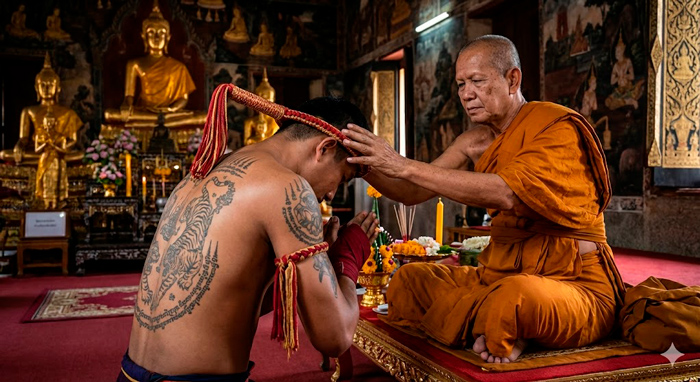
Wai Khru Ram Muay: The ritual dance performed before every fight to pay respect to one's teacher, parents, and ancestors.
Sacred Regalia: * Mongkol: The blessed headband worn during the ceremony.
Prajiad: Armbands believed to grant protection and strength.
Sak Yant: Traditional Thai tattoos and incantations meant to make the warrior invulnerable.
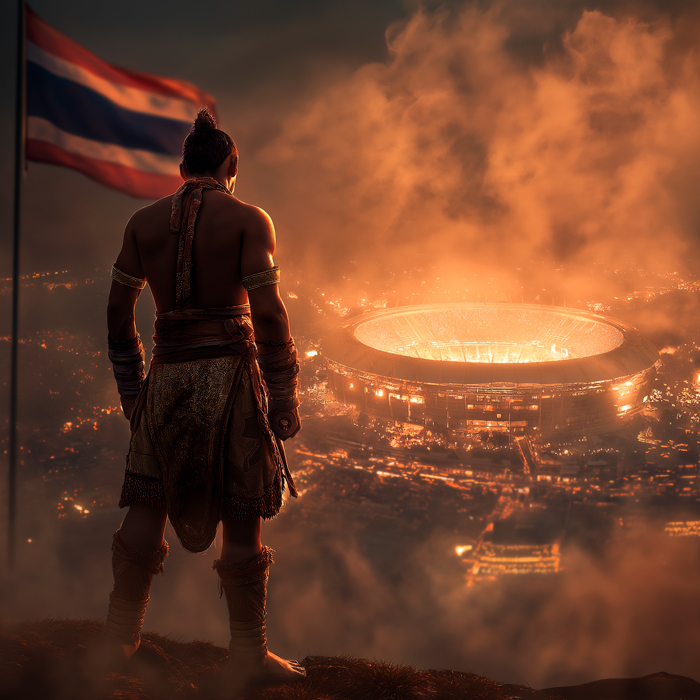
3. The Rattanakosin Era: From War to Entertainment (1782–1868)
With the founding of Bangkok, Muay Thai transitioned from a military necessity to a form of royal entertainment. Under King Rama I, the sport became a centerpiece of national festivals and coronations.
This period saw the rise of the first professional "camps" and the introduction of titles. Legendary fighters like Khun Phaen Dintin were granted land and noble ranks by the King, proving that Muay Thai was a powerful tool for social mobility.
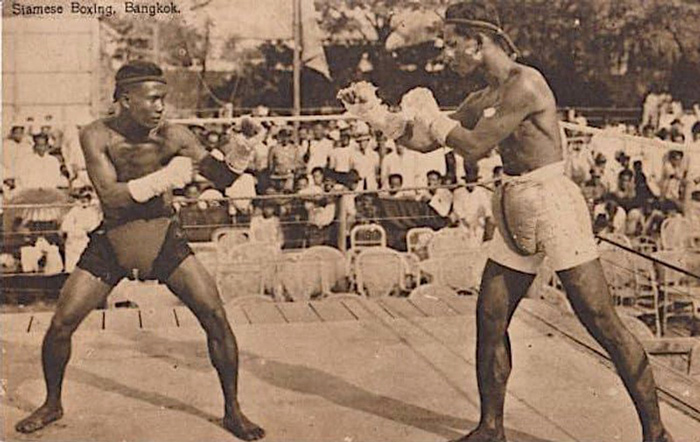
4. Modernization and the "Golden Age" (1868–1925)
During the reigns of King Rama V and Rama VI, Thailand underwent massive modernization to align with international standards. Muay Thai followed suit:
Standardized Rules: The introduction of timed rounds, refereeing systems, and gloves (replacing traditional hemp ropes).
Rajadamnern Stadium: Founded in 1921, it became the world’s first purpose-built Muay Thai arena, featuring modern architecture and a structured seating system.
Nationalism: The sport was integrated into the national school curriculum as a way to foster patriotism and physical fitness.
5. Global Expansion and "Soft Power"
The post-WWII era saw Muay Thai spread across the globe. Initially popularized by American soldiers during the Vietnam War, it eventually conquered Europe, Japan, and Australia.
Muay Thai Today:
IFMA Certification: The formation of the International Federation of Muaythai Amateurs in 1993 helped standardize the sport for Olympic consideration.
Economic Impact: Today, Muay Thai is a multi-billion baht industry, driving "sports tourism" where thousands of people travel to Thailand specifically for training.
Cultural Soft Power: It remains Thailand’s most successful cultural export, showcasing how an ancient tradition can adapt to the modern world without losing its soul.
Conclusion
The journey of Muay Thai is a testament to the resilience of the Thai spirit. From the blood-soaked battlefields of the 13th century to the bright lights of modern global arenas, it remains a source of immense national pride. As we look to the future, Muay Thai continues to evolve, serving as both a bridge between cultures and a guardian of Thailand’s rich historical legacy.
Leave a comment